You Won’t Believe These Hidden Architectural Gems in Punta Arenas
Nestled at the southern tip of Chile, Punta Arenas is more than just a gateway to Patagonia—it’s a visual feast for photography lovers. I never expected to find such striking architecture in this windswept port city. From colorful wooden houses to grand historic buildings, every corner tells a story. Through my lens, I discovered a side of Punta Arenas that’s both unexpected and utterly captivating. The city’s unique blend of European elegance and rugged functionality reveals a deep connection between people and place. What appears at first glance as simple survival against the elements unfolds into a rich narrative of cultural pride, craftsmanship, and artistic expression. This is not a city of monuments, but of intimate details—peeling paint, sloped roofs, and iron filigree—that together form an architectural symphony unlike any other in South America.
First Impressions: A City That Defies Expectations
Arriving in Punta Arenas, one might expect a utilitarian outpost shaped solely by necessity. The wind sweeps across the Strait of Magellan with relentless force, carrying with it the scent of salt and distant glaciers. Yet, amid this raw natural environment stands a city that refuses to be defined by hardship alone. The first glimpse of its skyline—dotted with ornate church spires, weathered mansions, and rows of brightly painted homes—challenges assumptions about life at the edge of the world. Far from blending into the landscape, the architecture asserts itself boldly, declaring both presence and personality.
The city’s geography plays a crucial role in shaping its built environment. Perched on the Brunswick Peninsula, Punta Arenas faces some of the strongest winds on the continent, with gusts regularly exceeding 60 kilometers per hour. These conditions demand resilience, yet they have also inspired creativity. Builders over the decades have learned to work with the wind rather than against it, designing structures with steeply pitched roofs to shed snow and reduce wind resistance, anchoring wooden frames deeply into the ground, and using durable materials like corrugated iron and native lenga wood. These choices are not merely technical—they are aesthetic, forming the foundation of a distinct architectural identity.
What strikes visitors most is the contrast between the severity of the climate and the vibrancy of the city’s visual language. While the skies may often hang low and gray, the buildings burst with color—crimson, cobalt, mustard yellow, and forest green. This deliberate use of hue transforms the urban fabric into something alive and expressive. It speaks to a spirit of defiance, a refusal to let the weather dictate mood. In this way, Punta Arenas becomes more than a stopover for travelers heading to Torres del Paine or Tierra del Fuego; it emerges as a destination in its own right, where architecture serves both shelter and soul.
The Legacy of European Influence in Local Design
The architectural character of Punta Arenas is deeply rooted in its history of immigration, particularly from Croatia, Britain, and other parts of Europe during the late 19th and early 20th centuries. As sheep farming boomed in the region, wealth flowed into the city, attracting skilled craftsmen and entrepreneurs who brought with them design sensibilities from their homelands. The result was a fusion of Victorian, Edwardian, and Central European styles, adapted to the realities of southern Chile. Ornate woodwork, bay windows, and decorative gables found new life in this remote corner of the world, reinterpreted through local materials and construction techniques.
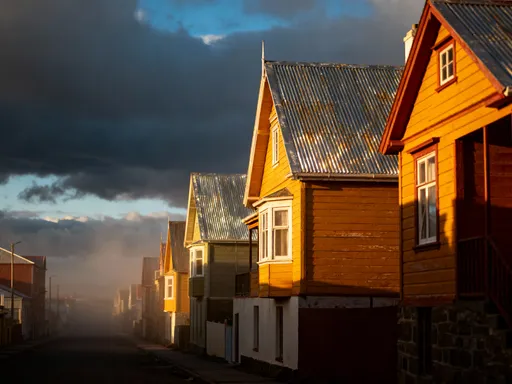
One of the most visible legacies of this era is the prevalence of wooden houses featuring intricate fretwork and double-pane windows designed to insulate against the cold. Many of these homes were originally constructed by Croatian immigrants, whose expertise in shipbuilding translated seamlessly into carpentry. Their craftsmanship can still be seen in the fine details of eaves, railings, and doorframes—elements that, while weathered, retain a sense of refinement. These houses were not only functional but symbolic, representing success, stability, and cultural continuity in a challenging environment.
Equally significant is the adaptation of European forms to local needs. Corrugated metal, imported from Britain during the height of the wool trade, became a staple roofing material due to its durability and ease of transport. Over time, it was embraced not just for utility but as part of the city’s visual vocabulary. Combined with steeply angled roofs—essential for shedding snow and withstanding wind loads—these materials created a silhouette unique to southern Patagonia. Bold colors, too, served a dual purpose: they lifted spirits during long, dark winters and helped identify homes in poor visibility. What began as practical considerations evolved into a tradition of aesthetic expression, turning necessity into artistry.
Walking Through the Historic Center: A Photographer’s Playground
For those drawn to architectural photography, few places offer as much richness within such a compact area as the historic center of Punta Arenas. Streets like José Menéndez, Bories, and Muñoz Gamero form the heart of this visual treasure trove, lined with preserved homes, public buildings, and former commercial establishments that reflect the city’s golden age. Each block presents new opportunities to capture texture, symmetry, and the quiet beauty of decay. The interplay of light and shadow across weathered facades creates depth and drama, especially during the golden hours of early morning and late afternoon.
One of the most photographed landmarks is the Municipal Theater, a striking example of French-inspired architecture completed in 1892. With its mansard roof, ornamental ironwork, and symmetrical façade, the theater stands as a testament to the cultural aspirations of the city’s elite during the sheep-farming boom. Though damaged by fire in the 1960s, it was meticulously restored and continues to host performances today. Nearby, the Cathedral of the Sacred Heart, built in 1893, showcases Gothic Revival elements in brick and stone, its twin spires rising above the surrounding rooftops. These structures anchor the city’s historic identity and offer compelling subjects for wide-angle and detail shots alike.
Preservation efforts have played a vital role in maintaining the integrity of the district. In recent decades, both government initiatives and private restoration projects have helped stabilize aging buildings, ensuring that original features like carved wood panels, stained glass, and cast-iron columns remain visible. While some homes have been converted into boutique hotels, cafes, or museums, many retain their residential character, contributing to an authentic sense of place. For photographers, this means access to real, lived-in spaces rather than museum-like reconstructions. The best times to shoot are during overcast conditions, which soften harsh contrasts and highlight subtle tonal variations in paint and wood grain.
The Role of Color and Material in Withstanding the Wind
In a city where wind is a constant companion, every design choice carries weight—both literally and symbolically. The dominance of bright colors in Punta Arenas is not merely decorative; it is a response to environmental and psychological demands. Gray skies and long winters can take a toll on mood, and vibrant exteriors serve as a form of visual warmth. Residents have long understood that a bold shade of blue or red can transform a house from a shelter into a statement. These hues, often derived from mineral-based paints resistant to fading, are carefully selected not only for their emotional impact but also for their longevity in extreme conditions.
Materials play an equally critical role in the city’s architectural resilience. Wood remains the primary building material, sourced from native forests and treated to resist moisture and decay. Lenga and coigüe woods, known for their density and durability, are commonly used in structural frames and exterior cladding. When combined with protective sealants and regular maintenance, these timbers can last for generations. Iron, too, features prominently—not just in roofing but in decorative elements such as railings, downspouts, and window grilles. Once imported from Europe, these components were often custom-forged by local artisans, blending industrial precision with handcrafted detail.
From a photographic perspective, these material choices offer endless possibilities for close-up exploration. The texture of peeling paint, the patina of oxidized metal, the grain of wind-worn wood—all tell stories of time and endurance. Using a macro lens allows photographers to isolate these details, transforming small sections of a building into abstract compositions. Shooting at low angles emphasizes the interaction between structure and environment, such as how a crooked fence leans permanently in the direction of prevailing winds. These images go beyond documentation; they become portraits of survival, capturing the quiet dignity of buildings that have stood firm against decades of elemental pressure.
Off-the-Beaten-Path Structures: Beyond the Main Squares
While the central districts of Punta Arenas draw the majority of visitors, some of the most compelling architectural stories unfold in quieter neighborhoods, where time seems to move more slowly. Areas like Villa Mirador, San Miguel, and República offer a glimpse into the city’s residential soul, where homes retain original features untouched by commercial redevelopment. Here, one finds houses with intact verandas, hand-painted shutters, and gardens shielded by wooden windbreaks—spaces that reflect personal taste and generational continuity.
Among the most fascinating remnants of the city’s affluent past are the former estates of the so-called “sheep barons,” wealthy landowners who amassed fortunes during the height of the wool trade. Though many of these mansions are now repurposed or privately owned, their grandeur remains evident in sweeping staircases, imported tile work, and expansive bay windows. Some stand partially hidden behind tall hedges or iron gates, their facades softened by moss and climbing vines. These structures speak to a bygone era of opulence, yet they also embody the same adaptive principles seen throughout the city—thick walls for insulation, elevated foundations to prevent flooding, and orientation designed to minimize wind exposure.
Photographing these sites requires sensitivity and respect. Many are private residences, and while their exteriors may invite attention, ethical practice means avoiding intrusion. This includes refraining from using telephoto lenses to capture interior views, not trespassing on property, and being mindful of local customs regarding privacy. In some cases, seeking permission from residents can lead to meaningful interactions and even invitations to learn more about a home’s history. Such encounters enrich the photographic experience, adding human context to the images. Ultimately, the goal is not just to record beauty but to honor the lives lived within these walls.
Modern Architecture Meets Tradition: New Layers of the City
As Punta Arenas grows, it faces the challenge of balancing progress with preservation. New construction projects must contend with the same environmental forces that shaped the old city, but they also reflect contemporary needs and design philosophies. Increasingly, architects are finding ways to integrate traditional elements into modern buildings, creating a dialogue between past and present. This approach ensures that the city’s visual identity evolves without losing its essence.
One notable example is the Regional Museum of Magallanes, housed in a restored historic building but expanded with modern additions that use glass, steel, and locally sourced wood. The design respects the original structure while introducing clean lines and open spaces that enhance visitor experience. Similarly, the Patagonia Cultural Center combines energy-efficient materials with sloped roofs and warm color palettes reminiscent of traditional homes. These buildings demonstrate that sustainability and heritage can coexist, offering models for future development.
Public spaces, too, are being reimagined with both function and beauty in mind. The waterfront promenade, once dominated by industrial activity, has been transformed into a pedestrian-friendly zone with benches, lighting, and landscaped areas that invite lingering. Information panels highlight the history of the port, linking the present to the past. New housing developments incorporate windbreak walls, shared courtyards, and communal green spaces—features that echo older neighborhood designs while meeting modern standards of comfort and accessibility. These innovations show that Punta Arenas is not frozen in time but actively shaping its future, guided by the lessons of its architectural heritage.
Capturing the Soul of the City: Tips for Architecture Photography in Extreme Conditions
Photographing architecture in Punta Arenas demands preparation, patience, and adaptability. The ever-present wind poses a constant challenge, particularly when using tripods or handling lightweight equipment. A sturdy, low-profile tripod with a weighted center column is essential for stability. Lens hoods help protect against dust and sudden gusts, while weather-sealed cameras and lenses provide added reliability. Dressing in layers is not just a comfort issue—it allows photographers to work efficiently during extended outdoor sessions, even when temperatures dip or rain moves in unexpectedly.
Lighting conditions can shift rapidly, requiring flexibility in exposure settings. Overcast skies, while diffusing harsh sunlight, can also flatten contrast and dull colors. To counter this, photographers should adjust white balance manually to preserve the true tones of painted surfaces. Bracketing exposures ensures a range of options for post-processing, particularly when dealing with high dynamic range scenes—such as a dark wooden facade against a bright sky. Polarizing filters can reduce glare on wet surfaces after rain, enhancing texture and depth.
Composition plays a vital role in conveying the spirit of the city. Rather than focusing solely on entire buildings, consider framing details that tell a larger story—a weathered doorknob, a child’s drawing taped inside a window, a row of boots by the entrance. These intimate moments humanize the architecture, reminding viewers that these structures are not static relics but living parts of a community. Wide-angle lenses are useful for capturing context, but telephoto lenses can isolate patterns and repetitions, such as rows of identical gables or rhythmic rooflines. Ultimately, the most powerful images are those that go beyond aesthetics to reveal resilience, identity, and belonging.
Punta Arenas reveals itself slowly—not through grand monuments, but in the quiet strength of its architecture. Each building stands as a testament to survival, adaptation, and beauty carved from adversity. For photographers, it’s not just about capturing structures, but the spirit of a city that refuses to be overlooked. The real magic lies in seeing the ordinary as extraordinary—because here, even a crooked roofline tells a story worth framing. In a world that often celebrates the new and the monumental, Punta Arenas reminds us that true character is built over time, shaped by wind, history, and the quiet determination of those who call it home.