Spice Trails and Secret Bites: A Local’s Take on Hyderabad’s Hidden Flavors
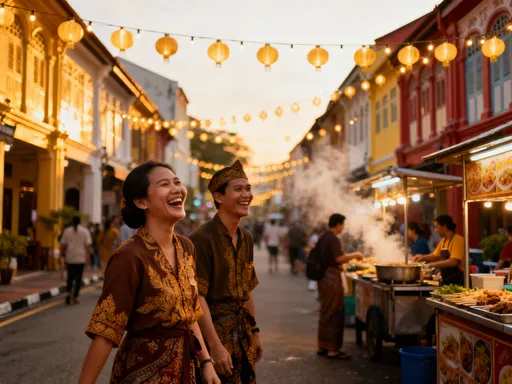
Walking through Hyderabad’s bustling lanes, I was hit by the rich aroma of slow-cooked biryani and freshly ground spices. This city isn’t just about monuments — it’s a living kitchen, where every alley hides a food story. From dawn kebabs to midnight Irani chai, Hyderabad eats differently. And trust me, the real flavors? They’re not where you’d expect. Beyond the grand domes of Charminar and the echoes of Nizami royalty lies a more intimate truth: the soul of Hyderabad beats strongest in its street corners, home kitchens, and century-old tea stalls. Here, food is not served — it is shared, remembered, and reinvented with every generation.
The Soul of Hyderabad Lies in Its Streets
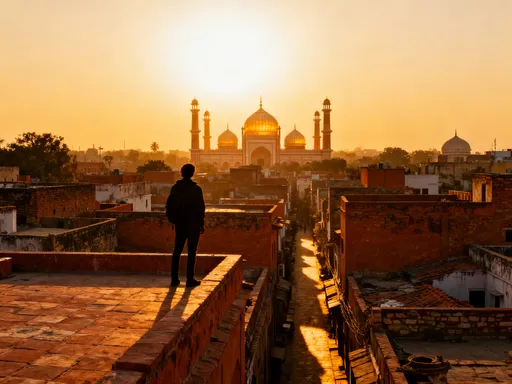
Hyderabad is often introduced through postcards: the silhouette of Charminar against a golden sunset, the opulence of Chowmahalla Palace, the quiet grandeur of Mecca Masjid. These landmarks tell a story of power, history, and architectural brilliance. But they only whisper the beginning. The city’s true narrative unfolds in the early morning mist of Madina Circle, where steam rises from copper pots of haleem, and in the narrow bylanes behind Laad Bazaar, where spice vendors chant their wares like ancient mantras. While guidebooks spotlight biryani at five-star hotels, the most profound culinary experiences happen in places without signage, where the menu is spoken, not printed, and the price is often settled with a smile.
What makes Hyderabad’s food culture unique is its deep-rooted sense of continuity. This is not a city that reinvents its cuisine for tourists. The flavors remain fiercely local, shaped by centuries of Persian, Arab, and Deccani influences. The descendants of royal chefs still run modest eateries, preserving recipes that once graced the Nizam’s dining table. Meanwhile, new generations are finding ways to honor tradition without freezing it in time. The result is a living, breathing food ecosystem — one that rewards curiosity, patience, and a willingness to step off the beaten path. For the traveler seeking authenticity, the real journey begins not with sightseeing, but with tasting.
The Pulse of the Old City: Where Tradition Simmers
The heart of Hyderabad’s culinary life still beats strongest in the old city, particularly around Charminar and its surrounding neighborhoods. Here, time moves differently. The day begins before sunrise, when the first clay ovens are lit and massive cauldrons are set over low flames. In the pre-dawn hours, families gather at small dhabas for nihari — a slow-cooked stew of beef or mutton, enriched with bone marrow and simmered for up to 12 hours. The dish is served with naan or sheermal, a saffron-infused flatbread, and garnished with ginger, green chilies, and fresh coriander. The ritual of eating nihari is as important as the flavor: it is meant to be savored slowly, often with the hands, allowing the rich, gelatinous broth to warm the body and spirit.
Another morning staple is haleem, a dense, porridge-like dish made from wheat, barley, lentils, and meat, pounded together until smooth and cooked for hours with spices like cinnamon, cardamom, and cloves. Though now popular across India during Ramadan, haleem in Hyderabad has a distinct character — thicker, more complex, and deeply savory. The best versions are still made in home kitchens or by specialized vendors who open only during the holy month. Places like Pista House and Cafe Bahar draw long queues, but locals know that the most authentic haleem often comes from unmarked stalls run by families who have been preparing it for generations.
These dishes are more than meals; they are acts of cultural preservation. In many cases, the recipes are not written down but passed orally from mother to daughter, grandfather to grandson. The use of specific spice blends, the timing of slow cooking, and even the type of vessel used — whether a deg (a wide copper pot) or a handi (a clay pot) — are all part of a culinary grammar that has been refined over decades. To eat in these neighborhoods is to participate in a tradition that values patience, craftsmanship, and community. The dhabas may be simple, even humble, but they are temples of taste, where every bite carries the weight of history.
Beyond Biryani: Uncovering Underrated Dishes
No discussion of Hyderabadi food is complete without mentioning biryani — the fragrant, layered rice dish that has become the city’s culinary ambassador. Yet, to reduce Hyderabad’s cuisine to biryani alone is to miss its full spectrum. The city’s true richness lies in its lesser-known dishes, many of which are rarely found on restaurant menus but are staples in local homes and street-side eateries.
One such dish is sawe kebab, a delicate minced meat patty made with finely ground lamb or beef, mixed with onions, green chilies, and a blend of roasted spices. What sets it apart is its texture — soft, almost melt-in-the-mouth — achieved by pounding the meat for hours. It is typically served with roomali roti, a thin, hand-spun flatbread, and a side of tangy onion salad. Another hidden gem is dubki ka salan, a fiery curry made with small, sun-dried vegetables or lentil dumplings, cooked in a tamarind-based gravy with roasted peanut powder and sesame paste. The name “dubki” means “dipping,” and the dish is meant to be eaten by dunking pieces of bread into the thick, pungent sauce.
Sweet lovers should not miss khubani ka meetha, a dessert made from apricots stewed in sugar syrup and flavored with cardamom and rose water, then topped with clotted cream (malai) and crushed nuts. It is a dish of Persian origin, reflecting the Nizams’ Central Asian heritage, and is often served during special occasions. Equally compelling is baghara baingan, baby eggplants stuffed with a spiced peanut and sesame paste, then simmered in a rich gravy of onions, tomatoes, and yogurt. The dish is complex in flavor — nutty, tangy, and mildly spicy — and showcases the Hyderabadi mastery of balancing contrasting tastes.
These dishes are rarely found in tourist-oriented restaurants, not because they are obscure, but because they are deeply tied to home cooking and seasonal availability. The best way to experience them is through word-of-mouth — a recommendation from a local friend, a family invitation, or a chance encounter at a neighborhood eatery. They remind us that true culinary discovery is not about chasing fame, but about embracing humility and curiosity.
The Irani Chai Trail: More Than Just Tea
If there is one ritual that defines daily life in Hyderabad, it is the act of drinking Irani chai. More than just a beverage, it is a cultural institution — a moment of pause, conversation, and connection. The Irani cafes, which began in the late 19th and early 20th centuries, were established by Persian immigrants who brought with them not only their tea recipes but also a way of life centered on hospitality and community.
Places like Nimrah Café, located just outside Charminar, have become iconic. With their checkered tablecloths, ceiling fans that creak in the heat, and shelves lined with glass jars of biscuits, these cafes feel frozen in time. The chai itself is milky, slightly sweet, and brewed with a unique blend of black tea leaves and cardamom. It is served in small glasses, often with a side of bun maska — a soft bun smeared with butter and lightly toasted. The combination is simple, yet deeply satisfying, and has sustained generations of students, shopkeepers, and travelers.
But the true value of these cafes lies not in the food, but in the atmosphere. They are democratic spaces where people from all walks of life — clerks, poets, retirees, and tourists — sit side by side, sipping tea and exchanging stories. In an age of digital isolation, these spaces offer something rare: face-to-face interaction, unhurried and genuine. Many of the original Irani families have passed on, and some cafes are now run by their Indian descendants, but the spirit remains unchanged. To sit in one of these cafes is to become part of a living tradition, one that values conversation as much as cuisine.
While Nimrah and Café Bahar are the most famous, the real charm lies in discovering lesser-known spots — a small stall tucked behind a mosque, a family-run shop that opens only in the mornings. These places may not have the polished look of a heritage café, but they offer the same warmth and authenticity. For the curious traveler, following the Irani chai trail is not just about tasting tea — it is about understanding how food can sustain not only the body but also the soul of a community.
Home Is Where the Heat Is: Eating with Locals
In recent years, a quiet revolution has taken place in how people experience Hyderabadi food. Beyond restaurants and street stalls, more travelers are seeking out home dining experiences — intimate meals hosted in private homes, often organized through local guides or cultural exchange platforms. These gatherings, known as dastarkhwans, are more than just dinners; they are invitations into the heart of Hyderabadi hospitality.
A dastarkhwan is traditionally a cloth spread on the floor, symbolizing the sharing of food and fellowship. In modern terms, it refers to a communal meal, often held during festivals like Eid or Muharram, but increasingly available to visitors who wish to experience authentic home cooking. Hosts prepare elaborate spreads featuring multiple curries, rice dishes, breads, and desserts — all made from scratch using family recipes. The atmosphere is warm, conversational, and deeply personal. Guests are encouraged to eat with their hands, ask questions, and even help in the kitchen.
These experiences offer something no restaurant can replicate: a direct connection to the people behind the food. One might learn how a grandmother grinds her masala with a stone mortar, or how a mother adjusts the spice levels for her children. Stories are shared — of childhood meals, family migrations, and culinary memories. The food becomes a bridge, linking strangers through the universal language of taste and care.
For travelers, accessing these meals requires trust and openness. They are not advertised on mainstream platforms but arranged through local contacts, cultural organizations, or specialized tour operators who prioritize ethical and respectful exchanges. The goal is not performance, but genuine connection. Participants are expected to be humble, appreciative, and mindful of cultural norms — removing shoes before entering, dressing modestly, and expressing gratitude. In return, they receive not just a meal, but a memory — one that lingers long after the last bite.
Spice Markets and Hidden Kitchens: Behind the Flavors
To understand Hyderabadi food, one must go beyond the plate and step into the markets where its ingredients are born. Two of the most vibrant are Laad Bazaar and Moazzam Jahi Market — not tourist souk destinations, but working marketplaces where the city’s culinary DNA is crafted daily.
Laad Bazaar, famous for its bangles, is equally important for its spice vendors. Rows of small shops display mountains of turmeric, red chili powder, coriander, cumin, and fennel, all ground fresh and sold in paper cones. But the real treasures are the custom masala blends — secret mixtures passed down through families, used for biryani, salan, or pickles. Some vendors specialize in kala masala, a dark, smoky blend used in Hyderabadi meat dishes, while others offer saffron strands graded by origin and potency. The air is thick with fragrance, and the vendors, often third- or fourth-generation traders, take pride in their knowledge, offering advice on storage, pairing, and usage.
Moazzam Jahi Market, built during the Nizam era, is another hub of culinary activity. Here, one finds not only spices but also dried fruits, nuts, ghee, and artisanal breads. It is common to see elderly women bargaining for almonds and raisins to make seviyan (vermicelli pudding), or housewives selecting fresh methi (fenugreek) for parathas. Some stalls still use hand-operated grinders, turning whole spices into fine powders while customers wait. The market operates on rhythm and routine — vendors know their regulars by name, and transactions often end with a cup of tea and a chat.
But beyond these public spaces are the hidden kitchens — the home-based operations where masalas are blended, pickles are fermented, and sweets are prepared in large batches. Some families run small businesses from their homes, selling their products to local shops or through word-of-mouth. These kitchens are rarely visible to outsiders, but they are the unsung engines of Hyderabad’s food culture. The flavors produced here — more nuanced, more personal than mass-produced versions — cannot be found in supermarkets. For the discerning traveler, a visit to these markets is not shopping — it is education, a chance to see how taste is built from the ground up.
Practical Tips for the Curious Food Traveler
Exploring Hyderabad’s food scene is immensely rewarding, but it requires preparation and respect. The city’s best eats are often found in crowded, informal settings, so knowing how to navigate them safely and thoughtfully enhances the experience.
First, timing matters. Many iconic dishes are tied to the clock. Nihari and haleem are morning foods, best eaten between 6 a.m. and 10 a.m. Irani chai is ideal in the early hours or late evening. Some street vendors operate only at night, serving kebabs and snacks to night owls. Planning meals around local rhythms increases the chances of tasting food at its peak.
Second, cleanliness is key. While street food is safe in many cases, it’s wise to observe hygiene practices. Look for stalls with high turnover, as fresh batches mean less risk of spoilage. Vendors who handle food with tongs or gloves, or who cover their ingredients, are generally more reliable. Drinking bottled water and avoiding raw salads from untrusted sources can prevent stomach issues.
Language can be a barrier, but it doesn’t have to be a wall. While Urdu and Telugu are widely spoken, many food vendors understand basic English or Hindi. A smile, a pointing finger, and a willingness to try go a long way. Learning a few phrases — “Kitna hoga?” (How much?), “Ek aur dena” (Give me one more) — can open doors and spark conversations.
Transportation is another consideration. The old city is best explored on foot or by auto-rickshaw. These three-wheelers are affordable and can navigate narrow lanes where cars cannot go. Always agree on a fare before starting the ride. For longer distances, app-based cabs like Uber or Ola are convenient and reliable.
Finally, approach the food journey with patience and openness. Not every meal will be perfect, and some dishes may be spicier than expected. But that is part of the adventure. Let go of rigid itineraries and allow the city to guide you — through a vendor’s recommendation, a local’s invitation, or the scent of spices drifting from an open window. The most memorable moments often come from unplanned detours.
Taste as a Gateway to Belonging
Hyderabad is a city of layers — historical, cultural, and culinary. To know it fully, one must move beyond the surface. The monuments will impress, but the meals will transform. In every bite of haleem, every sip of Irani chai, every shared dastarkhwan, there is an invitation: to slow down, to listen, to connect.
Food in Hyderabad is not just sustenance; it is memory, identity, and love made tangible. It carries the echo of royal kitchens, the warmth of family kitchens, and the resilience of street vendors who rise before dawn to feed a city. It is a cuisine shaped by migration, adaptation, and devotion — one that welcomes newcomers not with grand gestures, but with a plate of warm bread and a smile.
For the traveler, this means something profound: you do not need to be from Hyderabad to belong here. You only need to be willing to taste, to learn, and to share. In doing so, you do not just visit the city — you become part of it, even if only for a meal. And in that moment, as the flavors unfold on your tongue and laughter fills the air, you realize that home is not always a place. Sometimes, it is a taste. And in Hyderabad, that taste is always waiting.