This Is What Happens When Malacca’s Festivals Hit Full Swing
You know that feeling when you stumble into a city and it just pops with energy? That’s Malacca during festival season. I arrived not knowing much, but left completely hooked. The streets pulse with color, music spills from every corner, and the smell of sizzling street food is everywhere. This isn’t just tourism — it’s immersion. Festival time here doesn’t just celebrate culture; it throws you right into the heart of it. The historic city, already a UNESCO World Heritage Site with centuries of layered history, becomes even more alive when its communities come together to mark important moments in their calendars. Whether it’s the golden glow of lanterns during Chinese New Year, the serene generosity of Hari Raya open houses, or the vibrant lights of Deepavali, Malacca transforms into a living, breathing celebration of tradition, faith, and togetherness. These festivals are not performances for tourists — they are deeply rooted in identity, passed down through generations, and opening your heart to them can transform a simple trip into a meaningful journey.
The Pulse of Celebration: Experiencing Malacca’s Festival Spirit
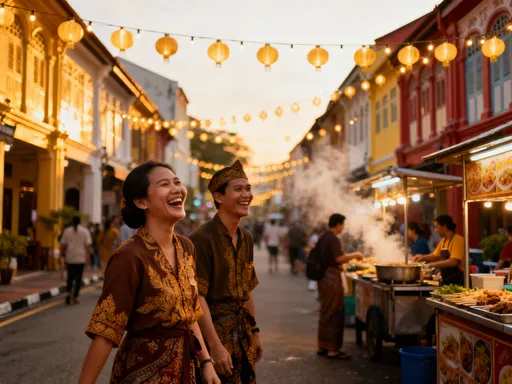
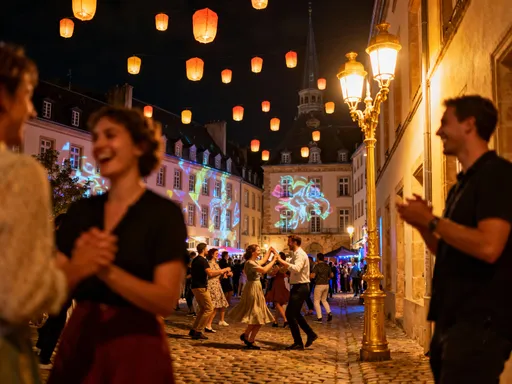
When a festival takes hold of Malacca, the city does not merely decorate — it reawakens. The narrow lanes of Jonker Street, usually bustling with weekend shoppers, become arteries of celebration, lined with crimson lanterns, fragrant with incense, and echoing with the rhythmic beat of traditional drums. The air hums with anticipation, laughter, and the sizzle of woks over open flames. It’s impossible to remain a passive observer. Whether it’s the Lunar New Year, Hari Raya Aidilfitri, or Deepavali, each festival brings its own unique rhythm, yet all share a common thread: an overwhelming sense of community and joy that spills out from homes into the streets.
During Chinese New Year, the city’s Peranakan heritage shines brightest. Shophouses draped in red and gold welcome visitors with ornate carvings and family altars visible through open doors. The sound of lion dances echoes through the night as performers weave through crowds, their movements energetic and symbolic, believed to bring luck and ward off evil spirits. At the same time, night markets spring up with stalls selling candied fruits, pineapple tarts, and yee sang — the colorful raw fish salad tossed high into the air as a gesture of prosperity. The act itself is participatory, joyful, and inclusive, inviting even strangers to join in.
Hari Raya Aidilfitri, marking the end of Ramadan, brings a different but equally powerful energy. Mosques are freshly cleaned and illuminated, and many Muslim families open their homes to visitors in the tradition of ‘open house.’ The scent of rendang, ketupat, and satay fills the air as neighbors and strangers alike are welcomed with open arms. It’s a time of forgiveness, gratitude, and renewal, and travelers who visit during this period often speak of the warmth and generosity they encounter — a hospitality that feels both personal and deeply cultural.
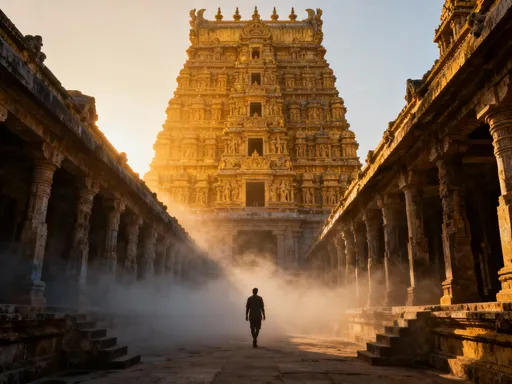
Deepavali, the Festival of Lights celebrated by the Tamil community, transforms certain neighborhoods into radiant wonderlands. Rows of oil lamps, colorful kolam designs on doorsteps, and golden decorations create a magical atmosphere. Temples are adorned with flowers and lights, and the sound of devotional music drifts through the evening. Families dress in their finest silk, and the sharing of sweets like murukku and laddu symbolizes the spreading of joy and light. In Malacca, where communities live side by side, these festivals are not isolated events — they overlap, influence one another, and are often celebrated together, reflecting the city’s long-standing tradition of harmony.
Why Festival Timing Matters: More Than Just Dates on a Calendar
Visiting Malacca during a festival is not simply about checking a destination off a list — it’s about experiencing the city at its most authentic. While the historic core is always beautiful, with its colonial buildings, riverfront walks, and well-preserved architecture, it is during festival times that the true soul of the place reveals itself. The calendar dates are important, yes, but what matters more is the access they grant to traditions, rituals, and human connections that are not on display during ordinary weeks.
For instance, attending a temple ceremony during Deepavali or witnessing the pre-dawn prayers of Eid offers a rare glimpse into spiritual life that no museum or guidebook can replicate. These moments are not staged for tourists; they are lived experiences, rich with meaning and emotion. The value of being present during such times lies not in taking photographs, but in feeling the collective breath of a community in celebration, in gratitude, in prayer.
Moreover, festivals create opportunities for spontaneous interactions. A grandmother might invite you to try a homemade delicacy. A child may proudly show you how to arrange a kolam. A shopkeeper might share the story behind a family heirloom displayed in their window. These small exchanges, fleeting as they may be, often become the most cherished memories of a trip. They remind us that travel is not just about seeing new places, but about connecting with people and understanding different ways of life.
There is also an emotional resonance that comes from participating in a shared moment of joy. In a world where so much feels fragmented, festivals offer a sense of belonging — even for visitors. The music, the food, the decorations — they are not just aesthetic choices; they are expressions of identity, resilience, and hope. By aligning your visit with a festival, you are not just observing culture — you are invited to step into it, even if only for a few days.
Top Festivals to Plan Your Trip Around
For travelers seeking a meaningful and vibrant experience, planning a visit around one of Malacca’s major festivals can be transformative. Three of the most significant and widely celebrated events are Chinese New Year, Hari Raya Aidilfitri, and Deepavali. Each offers a distinct cultural window, yet all reflect the city’s spirit of inclusivity and shared heritage.
Chinese New Year, typically falling in late January or early February, is one of the most visually striking festivals in Malacca. The city’s Peranakan (Straits Chinese) community, with roots stretching back centuries, celebrates with great pride. Homes and shops are cleaned and decorated with red lanterns, couplets, and paper cuttings symbolizing luck and prosperity. The highlight for many visitors is the lion dance procession, where troupes perform in front of businesses and homes, believed to bring good fortune. The festival lasts for 15 days, culminating in the Chap Goh Meh celebration, when unmarried women traditionally throw oranges into the river to pray for a good match. While the customs are rooted in tradition, they are warmly shared with visitors, especially in areas like Jonker Walk and Heeren Street.
Hari Raya Aidilfitri, which follows the Islamic holy month of Ramadan, varies each year based on the lunar calendar. It is a time of deep spiritual significance, marked by prayers, family gatherings, and the practice of open houses. In Malacca, it is common for Muslim families to welcome non-Muslim guests into their homes, offering traditional dishes like rendang, ketupat, and lemang. Mosques such as the Kampung Kling Mosque, which reflects the city’s multicultural history, hold special services and are often open to respectful visitors. The atmosphere is one of peace, gratitude, and generosity — a powerful reminder of the values that underpin the celebration.
Deepavali, the Hindu Festival of Lights, usually occurs between October and November. In Malacca, it is celebrated with great enthusiasm, particularly in neighborhoods with strong Tamil Indian communities. Homes and temples are illuminated with oil lamps, and doorsteps are decorated with intricate kolam patterns made from colored rice or flour. The festival symbolizes the victory of light over darkness and good over evil, and its spiritual depth is matched by its sensory richness. The scent of jasmine, the sound of devotional songs, and the sight of families in traditional attire create a deeply moving experience. Visitors are often welcomed to join in the celebrations, especially at community centers and temples that host public events.
How to Check In Without Missing Out: Arrival Tips for Festival Travelers
While the rewards of visiting Malacca during festival season are immense, a little preparation goes a long way in ensuring a smooth and enjoyable experience. The first and most important step is planning ahead. Accommodations in the city center, especially around Jonker Street and the riverfront, tend to fill up quickly during major festivals. Booking several months in advance is advisable, particularly if you’re traveling during Chinese New Year or Hari Raya, when both locals and tourists flock to the city.
Transportation is another key consideration. While Malacca is relatively compact and walkable, road closures and increased traffic are common during large events. Public buses and shuttle services may be adjusted to accommodate festival crowds, and ride-hailing apps can be less reliable due to high demand. Walking or using bicycles, which are widely available for rent, are often the most practical options. Many of the best festival experiences happen in narrow lanes and alleys that are only accessible on foot, so comfortable shoes are a must.
Staying informed is crucial. Local tourism offices and community centers often publish event calendars listing parades, performances, and special activities. Downloading official apps or following verified social media pages can help you stay updated on last-minute changes. It’s also helpful to learn a few basic phrases in Malay, such as “Selamat Hari Raya” or “Gong Xi Fa Cai,” as a sign of respect and goodwill.
Flexibility is essential. Festivals are dynamic, and schedules may shift. A performance might start later than expected, or a street market may move due to weather. Embracing these small disruptions as part of the experience, rather than inconveniences, allows you to stay present and open to surprises. Above all, remember that festivals are first and foremost for the local community. Being patient, respectful, and observant will ensure that your presence is welcome and that you leave with more than just memories — you’ll carry a deeper understanding of the culture you’ve encountered.
Eating Through the Festivals: A Culinary Journey You Can’t Skip
No festival in Malacca is complete without food — and not just as sustenance, but as celebration, heritage, and connection. Each major festival brings with it a unique array of dishes, many of which are prepared only during these special times. For travelers, this is an opportunity to engage with culture through taste, one bite at a time.
During Chinese New Year, yee sang takes center stage. This colorful salad of raw fish, shredded vegetables, and crispy crackers is tossed skyward with chopsticks while participants shout auspicious phrases like “Huat ah!” (prosperity!). The higher the toss, the greater the luck — a tradition that is as fun as it is symbolic. Other must-try items include pineapple tarts, symbolizing prosperity, and kuih bangkit, a melt-in-your-mouth coconut cookie. These treats are often shared among family and friends, and vendors in night markets are usually happy to offer samples.
Hari Raya is synonymous with feasting. Rendang, a slow-cooked beef curry rich with coconut milk and spices, is a centerpiece of most meals. Ketupat, rice compressed in woven palm leaves, is another staple, often served with satay or curries. The sweetness of dodol, a sticky toffee-like confection, rounds out the meal. What makes the experience special is the open-house culture — travelers may be invited to join a family meal or offered food at community gatherings. Accepting such invitations with gratitude is not just polite; it’s a way of honoring the spirit of generosity that defines the festival.
Deepavali brings its own culinary delights. Murukku, spiral-shaped savory snacks made from rice and lentil flour, are a favorite. Laddu, sweet balls made from flour, sugar, and ghee, symbolize the sharing of joy. At temples and homes, trays of sweets are offered to guests and deities alike. Many of these foods are made from scratch by families in the days leading up to the festival, and some community centers even host cooking demonstrations where visitors can learn the basics of preparing traditional dishes.
Food in Malacca is more than flavor — it is memory, identity, and hospitality. By tasting these festival foods, travelers do not just satisfy hunger; they participate in a tradition of giving and receiving that lies at the heart of every celebration.
Beyond the Crowds: Finding Quiet Moments in the Celebration
While the energy of Malacca’s festivals is exhilarating, it can also be overwhelming. The streets are packed, the noise is constant, and the pace is fast. For many travelers, especially those seeking a deeper connection, finding moments of quiet reflection can be just as important as joining the festivities.
One of the best ways to experience the soul of the festival is to visit temples, mosques, or heritage homes early in the morning, before the crowds arrive. At dawn, a Hindu temple may be filled with soft chanting and the gentle flicker of oil lamps. A mosque courtyard might be serene, with sunlight filtering through ancient trees. These quiet moments allow for observation, contemplation, and a more intimate understanding of the spiritual dimensions of the celebrations.
Another way to slow down is by participating in hands-on activities. Some cultural centers offer workshops in traditional crafts, such as making lanterns, decorating kolam, or folding ketupat. These activities are often led by local elders who share stories and meanings behind the customs. Engaging in such traditions, even briefly, fosters a sense of connection and respect.
Simply sitting and talking with vendors, artisans, or community members can also yield profound insights. Ask about their preparations, their favorite parts of the festival, or their family traditions. Most people are eager to share, especially when they sense genuine interest. These conversations, unhurried and heartfelt, often reveal the deeper values that sustain these celebrations year after year — values of family, faith, and continuity.
By balancing the excitement of the main events with quieter, more personal experiences, travelers can create a richer, more nuanced understanding of Malacca’s festivals — one that goes beyond the surface and touches the heart of what it means to celebrate together.
Making It Meaningful: How to Be a Respectful, Present Traveler
Traveling during a festival is a privilege, not a right. To truly honor the culture you are visiting, it’s essential to approach the experience with humility, respect, and presence. This means more than just following rules — it means engaging with intention.
Dress modestly, especially when visiting religious sites. During Hari Raya, covering shoulders and legs is a sign of respect in mosques. During Deepavali, clean and modest clothing is appreciated when entering temples. Even during Chinese New Year celebrations, avoiding overly casual or revealing attire shows consideration for the occasion.
Always ask before taking photographs, particularly during prayers, family gatherings, or private rituals. A simple smile and gesture can go a long way. If someone declines, accept it gracefully. Remember, you are a guest in their celebration.
Learn a few words in the local languages — Malay, Hokkien, or Tamil. A simple “Terima kasih” (thank you) or “Selamat pagi” (good morning) can open doors and warm hearts. It shows that you’ve made an effort to connect, not just consume.
Finally, carry this mindfulness beyond Malacca. The lessons of patience, respect, and openness learned during festival travel can enrich every journey you take. When we travel not just to see, but to understand, we don’t just change our itinerary — we change ourselves.