Why Pregnancy Recovery Feels Impossible—And What Actually Helps
Postpartum recovery isn’t just about bouncing back—it’s about healing from the inside out. After childbirth, your body goes through massive changes that science is only beginning to fully understand. Many women feel lost, facing fatigue, pelvic issues, or emotional shifts without clear guidance. This article explores evidence-based rehabilitation methods that support real recovery, not just quick fixes. Because healing after pregnancy isn’t optional—it’s essential.
The Hidden Challenges of Postpartum Recovery
After childbirth, a woman’s body undergoes one of the most profound physical transformations of her life. While the arrival of a newborn brings joy, the postpartum period often introduces a cascade of challenges that are rarely discussed with honesty or depth. Common physical struggles include diastasis recti, a condition where the abdominal muscles separate during pregnancy and may not naturally return to their original position. This separation can lead to lower back pain, poor posture, and weakened core strength. Pelvic floor dysfunction is another widespread issue, manifesting as urinary incontinence, pelvic organ prolapse, or discomfort during daily activities. These conditions affect up to one-third of postpartum women, yet they are frequently dismissed as normal or temporary.
Equally significant are the emotional and mental shifts that follow delivery. Hormonal fluctuations—particularly the sharp drop in estrogen and progesterone after birth—can contribute to mood swings, irritability, and in some cases, postpartum depression. Fatigue, often underestimated, compounds these emotional changes. New mothers may sleep only in short bursts, disrupting circadian rhythms and impairing cognitive function. The combination of physical strain, hormonal shifts, and sleep deprivation creates a perfect storm that can make even basic self-care feel overwhelming.
Despite the prevalence of these issues, standard postnatal care often falls short. In many healthcare systems, the typical postpartum checkup occurs just six weeks after delivery, a timeframe that assumes healing is nearly complete. However, research shows that tissue recovery, especially in the pelvic floor and abdominal wall, can take several months or longer. The method of delivery—vaginal or cesarean—also influences recovery trajectories. Cesarean sections involve major abdominal surgery, yet the rehabilitation needs are frequently treated as secondary to infant care. This gap in care leaves many women navigating complex recovery processes without adequate support, contributing to long-term health consequences that could have been prevented with earlier, more comprehensive intervention.
Why the “Bounce Back” Myth Does More Harm Than Good
Society often celebrates the idea of a rapid postpartum recovery—the notion that a new mother should quickly regain her pre-pregnancy body and resume her previous lifestyle. Media images of celebrities appearing fit and energetic within weeks of giving birth reinforce this unrealistic expectation. However, this “bounce back” culture is not only misleading but potentially harmful. The human body requires time to heal after pregnancy and childbirth, and pushing too soon can lead to setbacks, injuries, and emotional distress. Studies indicate that full musculoskeletal recovery can take anywhere from six months to over a year, depending on individual factors such as age, fitness level, and delivery complications.
When women internalize the pressure to recover quickly, they may feel guilt or shame if they do not meet these arbitrary timelines. This emotional burden can exacerbate anxiety and contribute to feelings of inadequacy, especially when physical symptoms like abdominal weakness or incontinence persist. Research published in the Journal of Women’s Health Physical Therapy found that women who reported higher levels of societal pressure to return to pre-pregnancy weight were more likely to experience depressive symptoms and disordered eating behaviors. The psychological toll of unmet expectations can delay healing by increasing stress hormones, which in turn impair tissue repair and immune function.
Conversely, studies show that women who adopt a paced, patient approach to recovery report better physical and emotional outcomes. A 2022 systematic review in the British Journal of Sports Medicine highlighted that gradual, guided rehabilitation programs led to improved core strength, reduced pelvic floor dysfunction, and higher quality of life compared to unsupervised or premature exercise routines. These findings underscore the importance of reframing postpartum recovery not as a race, but as a necessary process of restoration. When women are given permission to heal at their own pace, they are more likely to engage in sustainable self-care practices and develop a healthier relationship with their bodies.
Core Principles of Science-Backed Postpartum Rehabilitation
Effective postpartum rehabilitation is built on three foundational principles: gradual progression, individualized pacing, and professional guidance. Unlike general fitness programs that emphasize intensity and volume, postpartum recovery focuses on restoring function, stability, and neuromuscular control. The goal is not to burn calories or build muscle mass quickly, but to re-establish the body’s foundational support systems—the deep core, pelvic floor, and postural muscles—that were stretched and weakened during pregnancy.
Gradual progression means starting with low-intensity, low-impact activities and slowly increasing complexity as the body demonstrates readiness. For example, a woman may begin with diaphragmatic breathing and gentle pelvic tilts before advancing to supported standing exercises. This step-by-step approach allows connective tissues, which heal more slowly than muscle, to regain strength and elasticity. Rushing into high-demand movements like running or heavy lifting can increase intra-abdominal pressure, potentially worsening diastasis recti or pelvic floor strain.
Individualized pacing recognizes that no two postpartum journeys are the same. Factors such as multiple births, gestational diabetes, or perineal tearing influence recovery timelines. A woman who delivered via cesarean section may need additional time before beginning certain movements, particularly those involving the abdominal wall. Similarly, a mother managing postpartum anemia or thyroid imbalances may need to prioritize rest and nutrition before focusing on exercise. Personalized pacing allows for flexibility and reduces the risk of overexertion.
Professional guidance is perhaps the most critical component. Physical therapists specializing in women’s health can assess individual needs, identify imbalances, and design safe, effective programs. They can detect subtle signs of dysfunction—such as poor muscle activation or compensatory movement patterns—before they lead to injury. For women with high-risk deliveries, such as those involving forceps or emergency cesarean sections, medical supervision ensures that rehabilitation aligns with healing progress. Consulting a healthcare provider before beginning any postpartum exercise program is strongly recommended to ensure safety and appropriateness.
Pelvic Floor Rehabilitation: More Than Just Kegels
The pelvic floor is a group of muscles that support the bladder, uterus, and rectum. During pregnancy and childbirth, these muscles stretch significantly, sometimes leading to weakness, poor coordination, or even nerve damage. While Kegel exercises—repeated contractions of the pelvic floor—are widely recommended, they are often performed incorrectly or without proper assessment. Simply doing more Kegels is not the solution; quality, timing, and technique matter far more than quantity.
Effective pelvic floor rehabilitation begins with awareness. Many women struggle to isolate the pelvic floor muscles, inadvertently engaging the glutes, thighs, or abdominal muscles instead. A physical therapist can guide proper muscle activation through verbal cues or internal assessment. Once correct engagement is established, exercises can progress to include endurance holds, quick contractions, and coordination with breathing. For example, exhaling during exertion—such as when lifting a baby or standing up—helps stabilize the core and protect the pelvic floor.
Biofeedback is another valuable tool in pelvic floor rehabilitation. This technique uses sensors to provide visual or auditory feedback about muscle activity, helping women understand whether they are contracting and relaxing correctly. Studies have shown that biofeedback-assisted therapy leads to greater improvement in urinary incontinence compared to Kegels alone. Additionally, breathing coordination plays a crucial role. Diaphragmatic breathing creates a gentle pumping action that supports circulation and muscle function in the pelvic region. When breathing and pelvic floor movements are synchronized, the entire core system functions more efficiently.
It is also important to avoid behaviors that increase downward pressure on the pelvic floor, such as chronic straining during bowel movements, heavy lifting with poor form, or prolonged standing. These habits can counteract rehabilitation efforts and contribute to long-term dysfunction. A comprehensive pelvic floor program addresses not only exercise but also lifestyle factors, including hydration, fiber intake, and posture. By treating the pelvic floor as part of a larger system rather than an isolated muscle group, women can achieve more lasting results.
Abdominal Healing: Repairing the Deep Core System
Diastasis recti affects the linea alba, the connective tissue that runs down the center of the abdomen and holds the rectus abdominis muscles together. During pregnancy, hormonal changes and uterine expansion cause this tissue to thin and stretch. In some cases, the separation closes naturally within a few months postpartum. However, for many women, especially those who have had multiple pregnancies or carried larger babies, the gap persists and requires targeted rehabilitation.
Contrary to popular belief, traditional abdominal exercises like crunches and sit-ups can worsen diastasis recti by increasing intra-abdominal pressure and pushing the muscles further apart. These high-pressure movements should be avoided in the early stages of recovery. Instead, rehabilitation focuses on retraining the transverse abdominis, the deepest abdominal muscle that acts like a natural corset. Activating this muscle helps close the gap over time and improves trunk stability.
Safe exercises begin with gentle engagement techniques. One effective method is the “abdominal drawing-in maneuver,” where a woman lies on her back with knees bent and gently pulls the area below the navel toward the spine without holding her breath or flaring the ribs. This movement should be subtle and controlled. As strength improves, exercises can progress to include supported positions like quadruped (on hands and knees) or standing with support, where gravity does not increase abdominal strain.
Healing also depends on how daily movements are performed. Simple actions like getting out of bed, lifting a car seat, or bending over can either support or hinder recovery. The “log roll” technique—rolling to the side before sitting up—reduces strain on the abdominal wall. Similarly, bracing the core before coughing or sneezing helps protect the healing tissues. These small adjustments, when practiced consistently, contribute significantly to long-term abdominal health. Patience is key; studies suggest that visible improvement in diastasis recti can take three to six months of consistent, proper exercise.
Movement That Supports Recovery: Walking, Breathing, and Beyond
One of the safest and most beneficial forms of postpartum movement is walking. Beginning as early as 24 to 48 hours after an uncomplicated vaginal delivery, gentle walking promotes blood circulation, reduces the risk of blood clots, and supports mood regulation through the release of endorphins. For cesarean patients, walking is encouraged as soon as medically safe, typically within the first day or two after surgery. Starting with short durations—five to ten minutes—and gradually increasing helps build endurance without overexertion.
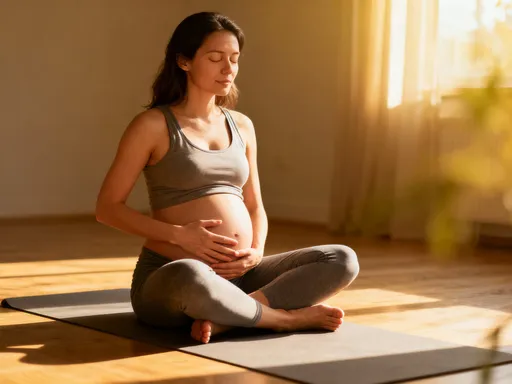
Diaphragmatic breathing, also known as belly breathing, is another powerful recovery tool. This technique involves slow, deep breaths that expand the diaphragm downward, allowing the lungs to fill completely. As the diaphragm moves, it massages internal organs and supports the function of the pelvic floor and deep core muscles. Practicing this breathing pattern for a few minutes each day can improve oxygenation, reduce stress, and enhance postural alignment. It also prepares the body for more advanced rehabilitation exercises by re-establishing neuromuscular connections.
As recovery progresses, other low-impact activities can be introduced. Postnatal yoga, for example, combines gentle stretching, breathwork, and mindfulness, all of which support physical and emotional healing. Water-based exercises, such as aqua aerobics, provide resistance with minimal joint stress, making them ideal for women still building strength. The key is to follow a phased timeline: the first four to six weeks focus on rest, breathing, and light movement; weeks six to twelve introduce core activation and stability exercises; and beyond twelve weeks, more structured strength training can begin—if cleared by a healthcare provider.
It is essential to listen to the body’s signals. Pain, increased bleeding, or pelvic pressure are signs to pause and reassess. Recovery is not linear, and setbacks are normal. What matters is consistency, not speed. By choosing movements that support healing rather than challenge limits, women lay the foundation for long-term physical well-being.
Putting It All Together: Building a Realistic Recovery Plan
Creating a personalized postpartum recovery plan begins with self-awareness and professional input. The first step is a postnatal assessment by a qualified healthcare provider, such as a women’s health physical therapist. This evaluation can identify specific concerns—such as the width of diastasis recti, pelvic floor strength, or postural imbalances—and inform a tailored rehabilitation strategy. Without this assessment, women risk performing exercises that may be ineffective or harmful.
A well-structured plan integrates the core principles of gradual progression, individualized pacing, and professional guidance. It includes daily breathing exercises, pelvic floor activation, and gentle core engagement, progressing only when the body demonstrates readiness. It also incorporates practical lifestyle adjustments, such as proper lifting techniques, optimal sitting posture, and balanced nutrition to support tissue repair. Hydration, protein intake, and adequate rest are just as important as physical exercises in the recovery process.
Flexibility is crucial. A mother’s needs change daily—some days may allow for longer walks or additional exercises, while others require complete rest. The plan should be adaptable, not rigid. Tracking progress through a journal or app can help maintain motivation and identify patterns, but the focus should remain on function and comfort, not speed or appearance. Celebrating small milestones—like being able to lift a car seat without pain or regaining bladder control—reinforces positive progress.
Finally, no recovery plan should be undertaken in isolation. Support from partners, family, or postnatal groups can provide emotional encouragement and practical help. Sharing experiences reduces feelings of isolation and normalizes the challenges of postpartum healing. When combined with evidence-based practices, this support network creates a holistic environment where true recovery can thrive.
True postpartum recovery isn’t measured in weeks or clothing sizes—it’s about restoring strength, function, and confidence over time. By embracing evidence-based rehabilitation methods, women can heal more fully and avoid long-term complications. This journey isn’t about perfection; it’s about patience, science, and self-respect. Healing isn’t a race—it’s a process worth honoring.