What Your Plate Does to Your Hair: A Science-Backed Diet Hack
Ever wonder why some people have thick, shiny hair no matter what? It’s not just genes or shampoo—it’s what they eat. I used to struggle with weak, lifeless strands until I dug into the science behind hair health. Turns out, your diet plays a huge role. From protein to micronutrients, your hair follicles crave real fuel. This isn’t about quick fixes—it’s about long-term, proven changes that show results. Let’s break down exactly how food shapes your hair, one bite at a time.
The Hidden Link Between Diet and Hair Health
Hair growth is not a surface-level process. It begins deep within the scalp, where hair follicles go through a continuous cycle of growth, rest, and shedding. This cycle, known as the hair growth cycle, relies heavily on a steady supply of nutrients. When the body lacks essential building blocks, it prioritizes vital organs over non-essential functions like hair production. As a result, hair growth slows, strands weaken, and shedding increases. The biological reality is clear: without proper nourishment, even the most expensive shampoos and serums cannot sustain healthy hair.
At the core of every strand is keratin, a structural protein made from amino acids. These amino acids are the raw materials for hair strength and elasticity. When dietary protein is insufficient, the body cannot produce enough keratin, leading to brittle, thinning hair. Research published in the Journal of Cosmetic Dermatology confirms that low protein intake is directly associated with hair loss, particularly in women following restrictive diets. The body simply repurposes available amino acids for more critical functions, leaving hair follicles undernourished.
Deficiencies in key micronutrients further disrupt this delicate system. Iron, for example, is essential for oxygen transport to hair follicles. Low ferritin levels—a marker of iron stores—are frequently observed in individuals experiencing unexplained hair shedding, especially among premenopausal women. Zinc plays a role in DNA and protein synthesis, both critical for hair cell reproduction. Biotin, though often marketed as a miracle supplement, is only beneficial when a true deficiency exists, which is rare but can cause noticeable hair thinning. Clinical studies consistently show that correcting these deficiencies can lead to measurable improvements in hair density and quality.
While topical treatments can improve shine or reduce breakage, they do not address the root cause of internal nutrient gaps. A nourishing shampoo may smooth the hair cuticle, but it cannot deliver amino acids or iron to the follicle. That work must be done from within. External care complements a healthy diet—it does not replace it. The truth is, no amount of styling or scalp massage can compensate for poor nutrition. When it comes to long-term hair health, what you eat matters more than what you apply.
Why Hair Is a Mirror of Internal Health
Hair is more than a cosmetic feature—it functions as a visible indicator of internal well-being. Because hair grows rapidly and continuously, it reflects changes in nutritional status often before other symptoms appear. A sudden increase in shedding, dullness, or changes in texture can signal an underlying imbalance long before fatigue, weakness, or other systemic signs emerge. In this way, your hair acts like a living record of your body’s nutritional history.
Like nails and skin, hair is composed of fast-growing tissues that are highly sensitive to metabolic shifts. When the body experiences stress—whether from illness, hormonal changes, or inadequate nutrition—it redirects resources to essential organs. Hair growth, being non-essential for survival, is one of the first processes to slow down. This biological prioritization means that hair often shows signs of deficiency before internal blood tests reveal abnormalities. For example, someone may notice increased shedding weeks before a blood test confirms low iron levels.
Scientific consensus supports the idea that the composition of the hair shaft reflects dietary intake over time. Studies analyzing hair samples have found correlations between nutrient levels in the body and the presence of certain minerals and proteins in the hair. This makes hair a useful, though not diagnostic, biomarker of long-term nutritional patterns. While a single strand cannot replace a medical evaluation, consistent changes in hair quality can serve as an early warning system for dietary gaps.
Think of your scalp as a messenger. When it sends signals through thinning, breakage, or dryness, it’s not whispering—it’s screaming what your body lacks. Ignoring these signs may lead to more significant health concerns down the line. By paying attention to hair changes, women in their 30s, 40s, and 50s can take proactive steps to support not just their appearance, but their overall vitality. Healthy hair is not just about beauty; it’s a sign that your body is getting the nourishment it needs to function at its best.
Key Nutrients That Fuel Strong, Shiny Hair
To grow strong, resilient hair, the body requires a balanced mix of macronutrients and micronutrients. Each plays a specific role in supporting the hair growth cycle, from the formation of new strands to the protection of existing ones. Understanding these key nutrients—and how they work—can help guide smarter food choices that directly benefit hair health.
Protein is the foundation. Since hair is primarily made of keratin, a steady intake of high-quality protein ensures a continuous supply of amino acids. Without enough protein, the body cannot maintain the hair growth phase, leading to premature shedding. Complete proteins, which contain all nine essential amino acids, are especially important. These are found in animal sources like eggs, poultry, fish, and dairy, as well as in plant-based combinations like beans and rice.
Iron is another critical player. It enables red blood cells to carry oxygen to the scalp and hair follicles. Without sufficient oxygen, follicles become weak and dormant. Iron deficiency, particularly low ferritin, is one of the most common nutritional causes of hair loss in women. While supplements may be necessary in diagnosed cases, food sources like lean red meat, spinach, lentils, and fortified cereals are excellent ways to maintain healthy levels naturally.
Omega-3 fatty acids contribute to scalp health by reducing inflammation and supporting the oil glands around hair follicles. These essential fats are not produced by the body and must come from diet. Fatty fish like salmon, mackerel, and sardines are rich in EPA and DHA, the most effective forms of omega-3s. For those who don’t eat fish, flaxseeds, chia seeds, and walnuts provide ALA, a plant-based form that the body can partially convert.
Vitamin D has gained attention for its role in hair follicle cycling. Research suggests that low vitamin D levels are linked to alopecia and other forms of hair loss. While sunlight is a primary source, dietary intake from fatty fish, egg yolks, and fortified foods helps maintain adequate levels, especially in regions with limited sun exposure.
Biotin, often called the “hair vitamin,” supports keratin production. While true deficiency is rare, ensuring adequate intake through foods like eggs, nuts, and whole grains can support overall hair strength. Zinc aids in cell reproduction and hormone balance, both vital for hair growth. Antioxidants, including vitamins C and E, protect hair follicles from oxidative stress caused by pollution, UV exposure, and metabolic processes.
It’s important to note that balance matters more than excess. Taking megadoses of any single nutrient does not accelerate hair growth and can even be harmful. For example, too much selenium or vitamin A has been linked to hair loss. The goal is consistent, moderate intake from a varied diet—not supplementation unless medically advised.
Foods That Actually Feed Your Follicles
The best way to deliver essential nutrients to your hair is through whole, minimally processed foods. These provide nutrients in their most natural, bioavailable forms—meaning the body can absorb and use them more effectively than synthetic versions in supplements. Building meals around nutrient-dense ingredients ensures that your follicles receive the support they need on a daily basis.
Eggs are a powerhouse for hair health. They contain high-quality protein, biotin, and B vitamins, all in one affordable package. The yolk, often avoided for fear of cholesterol, is actually rich in healthy fats and essential nutrients. Including whole eggs in your diet—boiled, scrambled, or added to salads—provides a complete source of hair-supporting compounds.
Fatty fish like salmon, mackerel, and sardines offer a triple benefit: protein, omega-3 fatty acids, and vitamin D. These nutrients work together to nourish the scalp, reduce inflammation, and support the hair growth cycle. Aim to eat fatty fish at least twice a week. If fresh options are limited, canned versions are just as nutritious and more budget-friendly.
Leafy greens such as spinach, kale, and Swiss chard are rich in iron, folate, and vitamin C. While plant-based iron (non-heme iron) is not as easily absorbed as animal-based iron, pairing it with vitamin C-rich foods—like citrus, bell peppers, or tomatoes—boosts absorption. Adding a handful of spinach to smoothies, soups, or stir-fries is an easy way to increase intake without dramatically changing your diet.
Nuts and seeds, including almonds, walnuts, chia seeds, and flaxseeds, provide zinc, selenium, vitamin E, and healthy fats. A small handful a day can make a noticeable difference over time. Sprinkle chia seeds on yogurt, blend flax into oatmeal, or keep a mix of nuts on hand for a satisfying snack that supports hair strength.
Legumes like lentils, chickpeas, and black beans are excellent sources of plant-based protein, iron, and zinc. They are also high in fiber, which supports gut health—an often-overlooked factor in nutrient absorption. Replacing processed snacks with a warm bowl of lentil soup or a chickpea salad not only benefits hair but also promotes overall energy and digestion.
Sweet potatoes are rich in beta-carotene, which the body converts into vitamin A. This nutrient helps regulate sebum production, keeping the scalp moisturized without clogging follicles. Other orange and yellow vegetables like carrots and squash offer similar benefits. Roasting or steaming sweet potatoes preserves their nutrients better than frying or overcooking.
Simple food swaps can make a big difference. Choose whole grains over refined carbs, add seeds to breakfast bowls, and opt for lean proteins at every meal. These changes don’t require drastic overhauls—they’re sustainable, realistic adjustments that build long-term results. The key is consistency, not perfection.
Common Dietary Mistakes That Sabotage Hair Growth
Even with the best intentions, certain eating patterns can unintentionally harm hair health. Many women, especially those managing weight or energy levels, unknowingly adopt habits that deprive their bodies of essential nutrients. Recognizing these common pitfalls is the first step toward making more supportive choices.
Extreme low-protein diets are among the most damaging. Trends that eliminate meat, dairy, or all animal products without proper planning often result in inadequate protein intake. Plant-based diets can support hair health, but they require careful attention to protein combining and portion sizes. Relying solely on grains or vegetables without sufficient legumes, nuts, or soy products can leave the body short on essential amino acids.
Over-reliance on refined carbohydrates is another issue. Foods like white bread, pastries, and sugary cereals cause blood sugar spikes that can lead to inflammation and hormonal imbalances—both of which negatively affect hair growth. These foods also displace more nutrient-dense options on the plate, reducing overall intake of hair-supportive vitamins and minerals.
Crash fasting and severe calorie restriction place the body under significant stress. When energy intake drops too low, the body enters a conservation mode, halting non-essential functions like hair growth. This can trigger a condition called telogen effluvium, where a large number of hairs enter the shedding phase simultaneously. While this type of hair loss is usually temporary, it can be alarming and may take months to reverse once normal eating resumes.
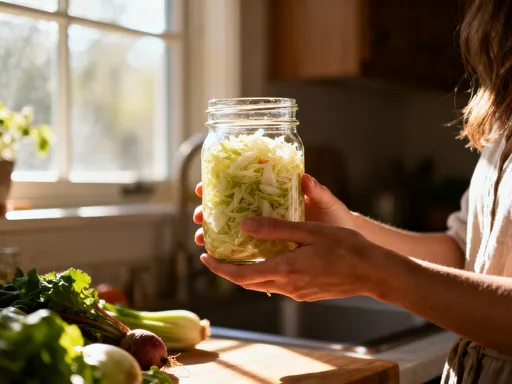
Poor gut health also plays a role. Even if you eat the right foods, impaired digestion can prevent proper nutrient absorption. Conditions like low stomach acid, imbalanced gut bacteria, or food intolerances can limit the body’s ability to extract iron, B vitamins, and other key nutrients. Including fiber-rich foods, fermented products like yogurt or kefir, and staying hydrated supports a healthy digestive system.
Trendy “detoxes” and juice cleanses are often marketed as ways to renew health, but they frequently lack the structural protein needed for hair maintenance. Drinking only fruit and vegetable juices for days deprives the body of amino acids, leading to weakened strands and increased shedding. These short-term fixes do not provide lasting benefits and can do more harm than good. True nourishment comes from balanced, whole-food meals—not liquid-only diets.
How Long It Takes to See Results—and What to Expect
One of the most common frustrations in pursuing healthier hair is impatience. Unlike skincare, where changes may appear in weeks, hair growth is a slow, gradual process. On average, hair grows about one centimeter per month. This means visible improvements—such as increased length, reduced shedding, or improved texture—typically take three to six months of consistent effort.
It’s important to set realistic expectations. You may not notice a sudden surge in volume or thickness right away. Instead, the first signs of progress are often subtle: less breakage when brushing, stronger strands that don’t snap easily, or a shinier appearance. These small changes indicate that the follicles are receiving better nourishment and that the hair growth cycle is stabilizing.
Short-term dietary tweaks will not produce lasting results. Hair reflects long-term nutritional patterns, not yesterday’s meal. This is not a quick fix but a long-haul commitment to balanced eating. Consistency is far more effective than intensity. Eating nutrient-rich foods most days of the week, even if not perfectly, creates a cumulative benefit that supports sustained hair health.
To track progress, consider taking monthly photos under the same lighting or keeping a simple journal of observations. Daily mirror checks can lead to discouragement, as changes are too gradual to see day by day. Looking back after several weeks or months often reveals clear improvements that weren’t noticeable in the moment. Patience, paired with persistence, is essential.
Putting It All Together: A Realistic Eating Pattern for Healthy Hair
Supporting hair health doesn’t require a rigid diet or expensive supplements. Instead, it calls for a balanced, varied eating pattern that provides all the essential nutrients your body needs. The goal is not perfection, but consistency—building meals that naturally include protein, healthy fats, and a rainbow of vegetables.
Aim for a plate that includes a palm-sized portion of protein, a fist-sized portion of vegetables, a small serving of whole grains or starchy vegetables, and a thumb-sized portion of healthy fats. This simple framework ensures that each meal supports hair growth without requiring complex planning. For example, a salmon bowl with quinoa, steamed broccoli, and avocado fits this balance perfectly.
Breakfast can include a smoothie made with spinach, banana, Greek yogurt, and a tablespoon of almond butter. This provides protein, iron, healthy fats, and antioxidants in one drink. Lunch might be a lentil salad with mixed greens, cherry tomatoes, olive oil, and pumpkin seeds. Dinner could feature baked chicken with roasted sweet potatoes and sautéed kale. Snacks like hard-boiled eggs, a handful of walnuts, or hummus with carrot sticks add extra nourishment between meals.
Variety is key. No single “superfood” can provide all the nutrients hair needs. Rotating different protein sources, vegetables, and healthy fats ensures a broad spectrum of vitamins and minerals. It also prevents dietary boredom, making it easier to stick with healthy habits long-term.
Remember, diet supports but does not replace medical care. If hair loss is sudden, severe, or accompanied by other symptoms, it’s important to consult a healthcare provider. Conditions like thyroid disorders, hormonal imbalances, or autoimmune diseases can also cause hair loss and require professional evaluation. Nutrition is a powerful tool, but it works best as part of a comprehensive approach to health.
Healthy hair isn’t built overnight or by any miracle potion. It’s grown—slowly, steadily—from the foundation you lay on your plate. Science shows that giving your body the right building blocks makes a measurable difference. This isn’t about obsession, but awareness: every meal is a chance to nourish your follicles from within. When you eat for hair health, you’re really eating for overall vitality. And that’s a change worth sticking with.